Boarding
You don't just go to school here. You make a life here.

Living at TJ |
 |
Living on campus means learning how to share space, build relationships, and take responsibility for yourself and others. It also means that school doesn't suddenly end when the last class is over.
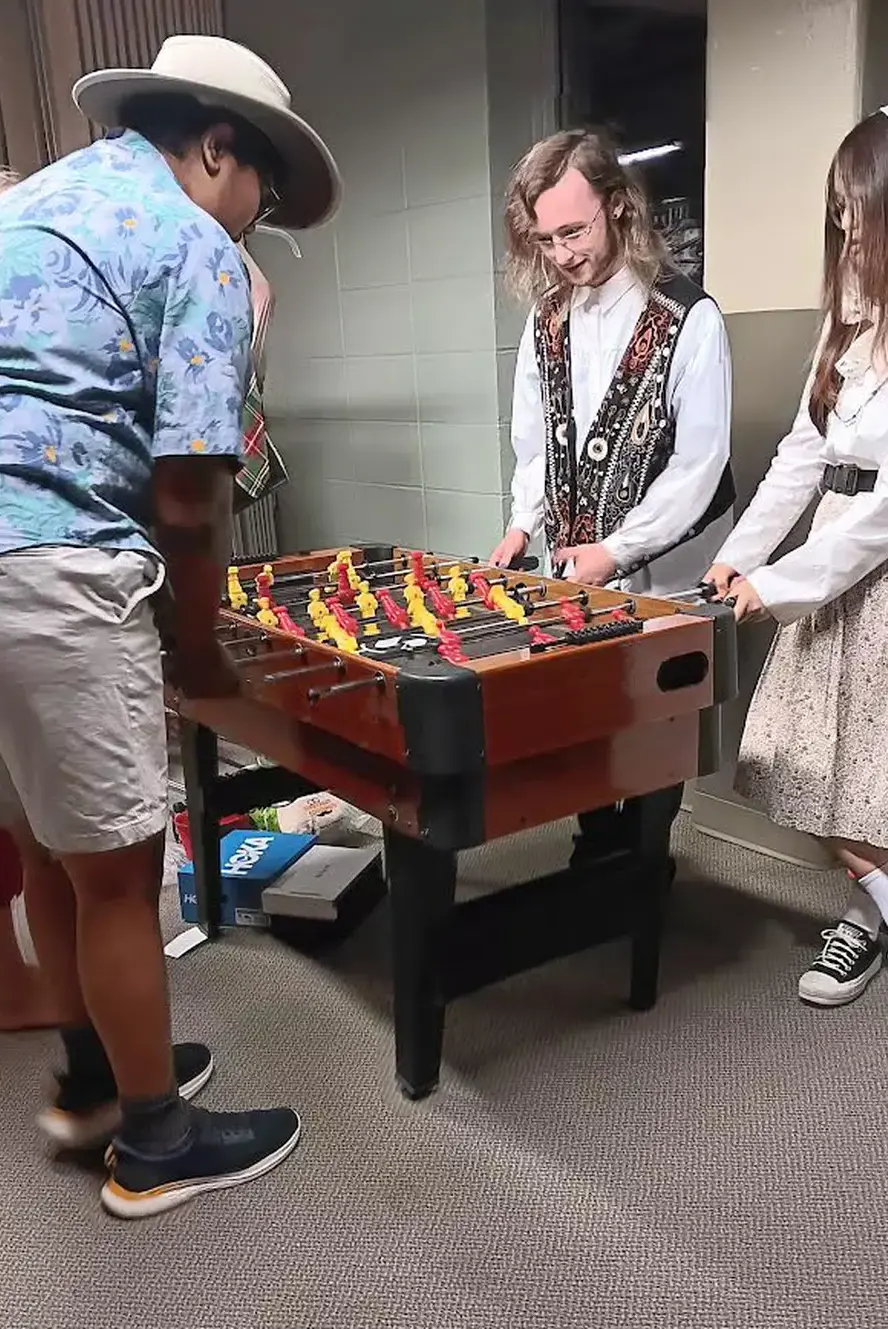
The people you see in class are the people you eat dinner with and spend evenings with. You'll get to know students from other grades, and teachers become people you know outside the classroom too.
Before long, campus starts to feel less like the place you go to school and more like a place that belongs to you. |
No giant residence halls here.
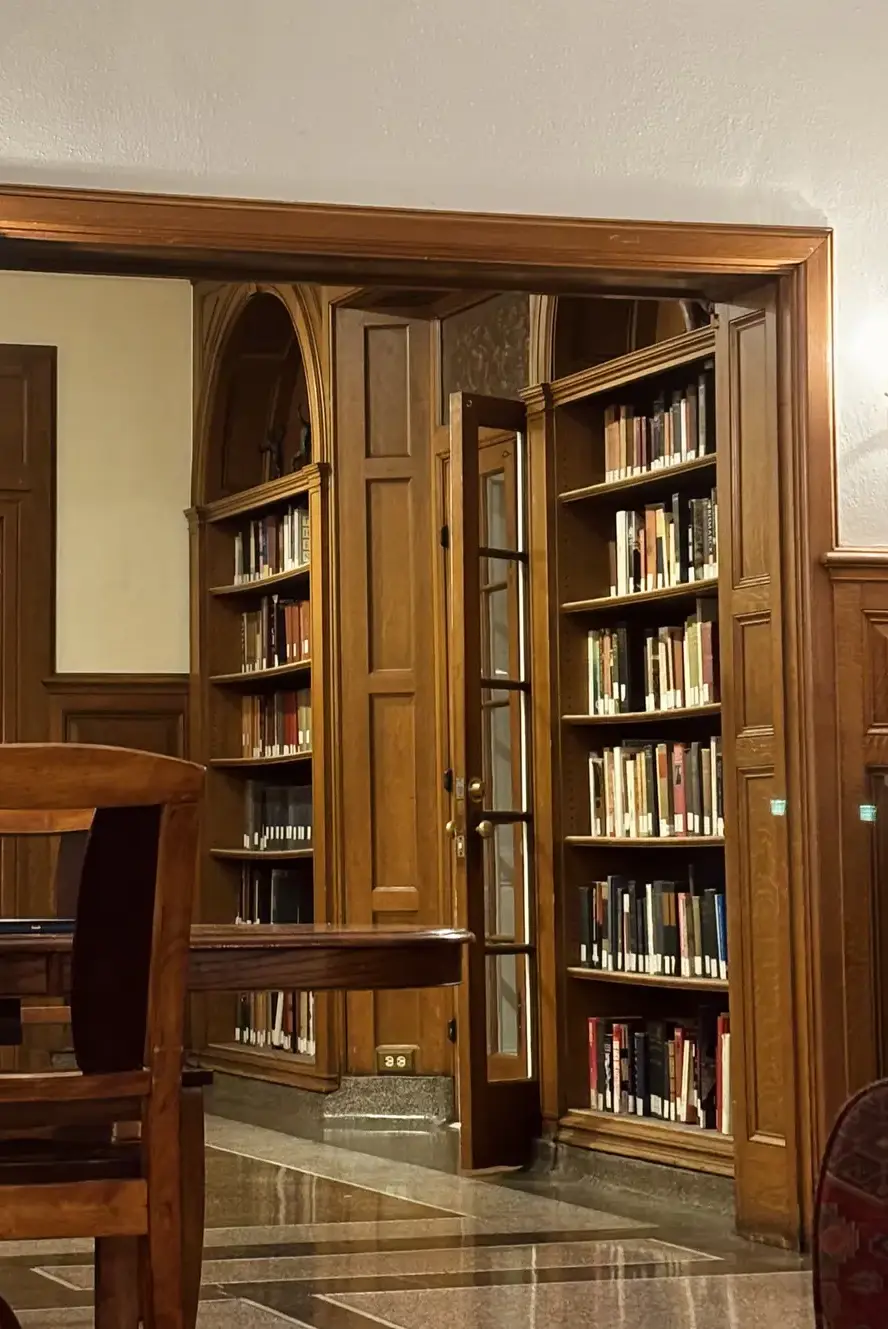
TJ's seven dormitories are freestanding cottages spread across campus, each with its own Resident Assistant apartment. Boarding students typically share a room with one other boarding student, but the room also belongs to two day students who have desks there. That arrangement makes residential life part of the whole school rather than something that begins after day students leave. Day students have a place to keep their things and return to during the day, while boarding students share their home on campus with friends who don't happen to sleep there. Dorm rooms become part bedroom, part home base, and part gathering place. That means boarding and day students really get to know each other. Your local friends might invite you home for a weekend, dinner with their family, or a day out in St. Louis. For boarders, especially those who have come from far away, those friendships make life bigger than campus and help St. Louis start to feel like home. | 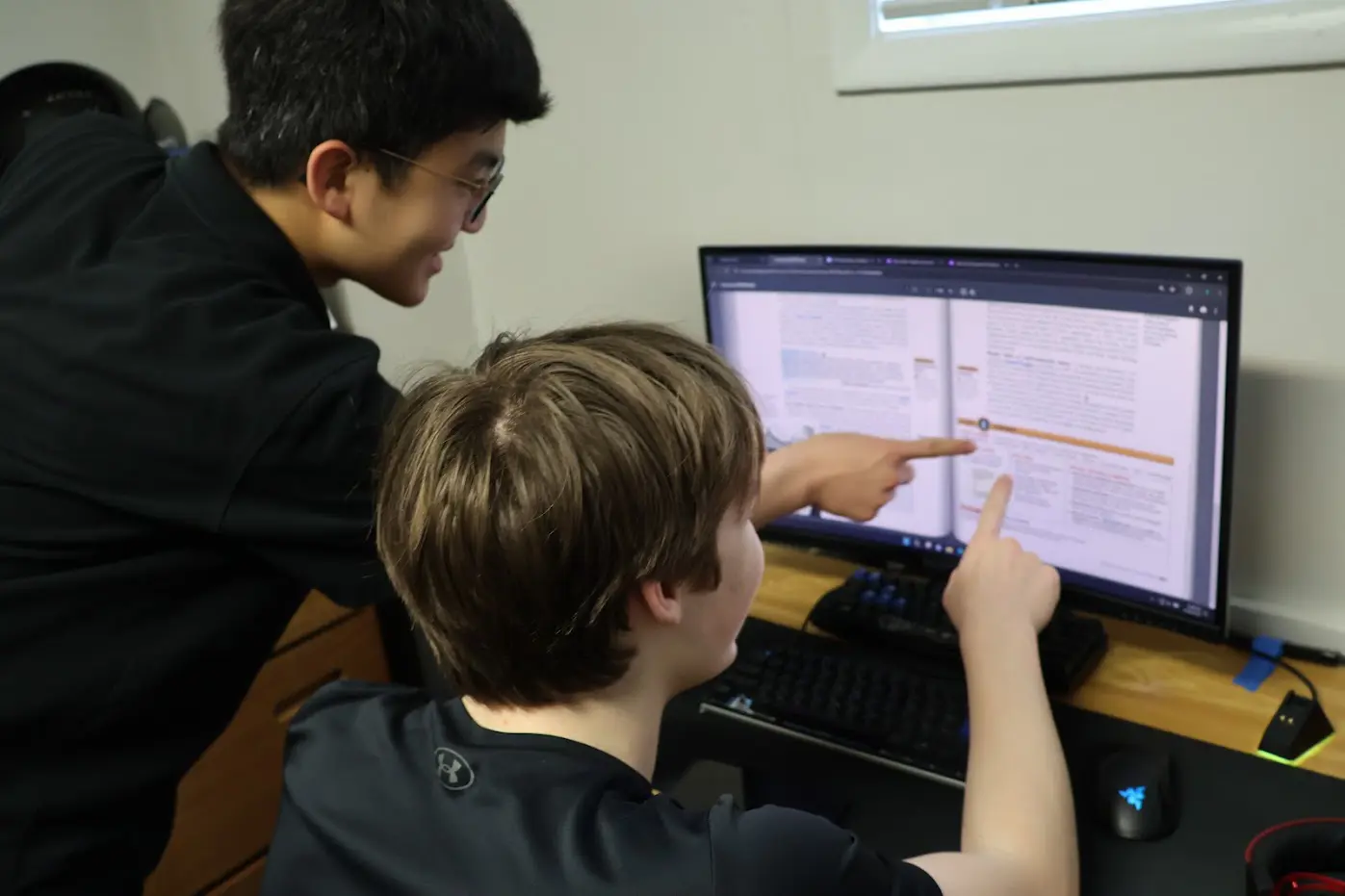 |
More Freedom As You Grow |
You learn how to live away from home by actually doing it.
Boarding at TJ is designed to help you become more independent, not to fill every minute of your day with rules. You learn to manage your time and share a space with someone else. You start making more of the everyday decisions that used to be made for you.
Nobody expects a seventh grader and a senior to need the same amount of independence. As you get older and show that you can manage more freedom, you get more of it.
Plenty of people nearby
You aren't figuring all of this out alone. Resident Assistants live in the dorm cottages and get to know their students well. The school nurse and counselor are part of the same close network of adults who know when to step in and when to give you room.
The goal isn't independence on your first day. It is becoming much more independent while you are here. |  |
Life Beyond the School Day |

Five days or seven?
Five-day boarders live at TJ during the school week and return home for weekends. This can be a good fit for students who live within driving distance and want the independence of residential life while keeping weekends with family.
Seven-day boarders stay on campus through the weekend. This is the residential option for international students and is also available to domestic students. | Campus is home. St. Louis is right outside.
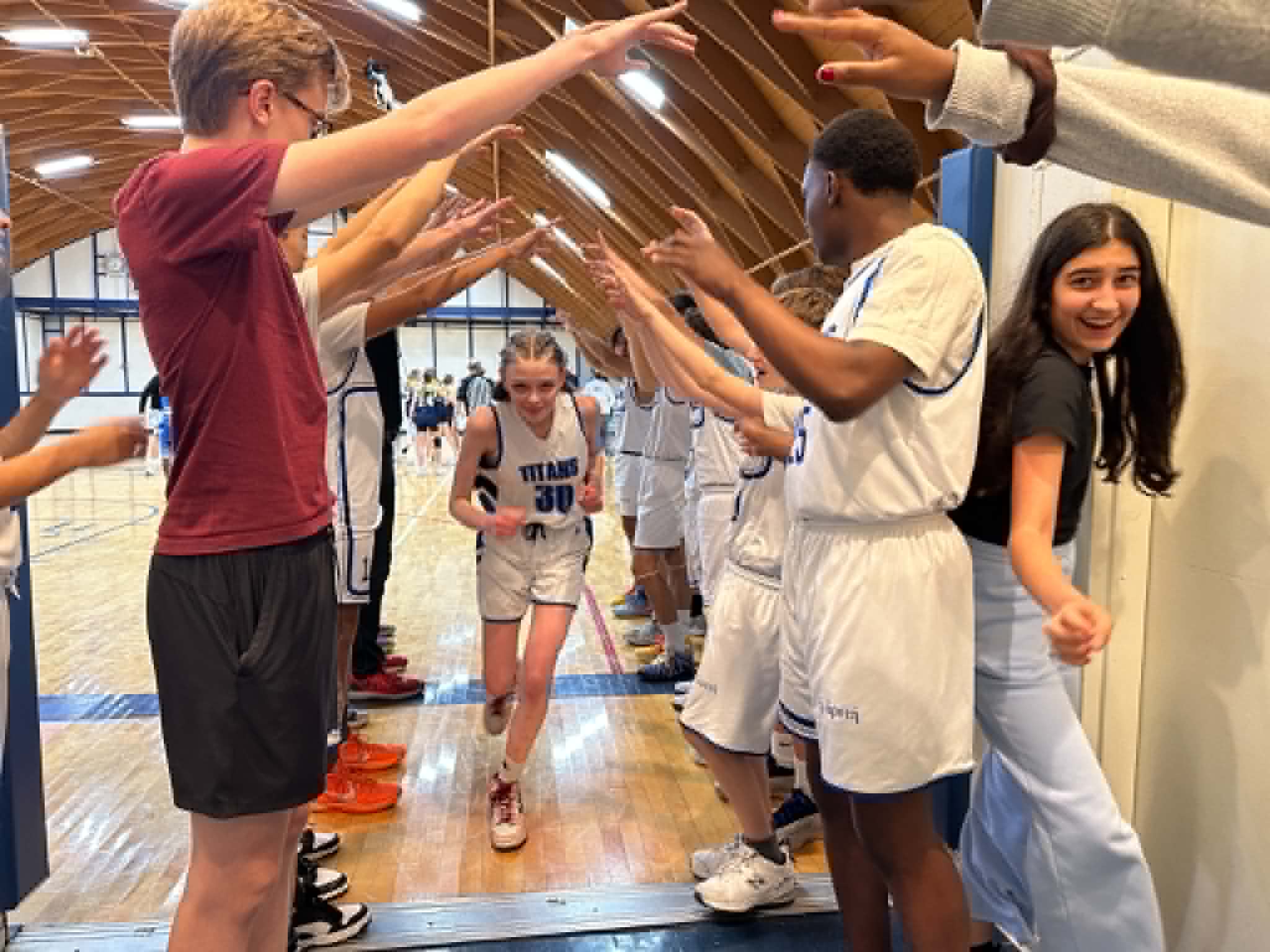
Living at TJ doesn't mean spending all your time inside the school gates. Students head into St. Louis for performances and school outings. Over time, the city becomes part of your experience too.
For students who have come from another state or another country, learning how to navigate a new city is another kind of independence, with a familiar campus to come home to. |
 | Home can stretch pretty far.
TJ students come from St. Louis, across the United States, and around the world. When you live together, those differences stop being something abstract and become part of ordinary life.
You learn what your roommate misses from home. They learn what your family does differently. Something completely ordinary to you may turn out to be fascinating to someone else.
Living with people who grew up somewhere different changes the way you see the world, simply because their world becomes part of yours. |
Boarding FAQs |
| What grades can board at Thomas Jefferson School? |
Boarding is available to TJ students in grades 7 through 12. Because the residential community is small, younger students live alongside older students while receiving support appropriate to their age and growing independence. |
| What is the difference between five-day and seven-day boarding? |
Five-day boarders live on campus during the school week and return home for weekends. Seven-day boarders remain on campus through the weekend and participate fully in residential life. International boarding students are seven-day boarders. |
| What are the dorms like at TJ? |
TJ has seven freestanding, cottage-style dormitories across campus. Two boarding students typically share a room, and each cottage has a Resident Assistant apartment. Most housing is designated male or female, with a gender-inclusive option available with parent permission. |
| How are boarding students supported and supervised? |
Resident Assistants live in the dorm cottages and get to know their students closely. Boarding students are also supported by the school's nurse and counselor. TJ's small residential community allows adults to notice when a student needs help while still giving students room to become more independent. |
| Do boarding students and day students spend time together? |
Yes. Boarding and day students are part of the same community. They learn together throughout the school day and share activities, traditions, and campus spaces. Day students are also connected to dorm spaces, helping friendships extend beyond the classroom. |
| Can middle school students board at TJ? |
Yes. Students may begin boarding at TJ in seventh grade. Younger boarders receive more structure and support as they learn the routines of residential life, with greater independence developing over time. |