High School
Co-curricular
Learning
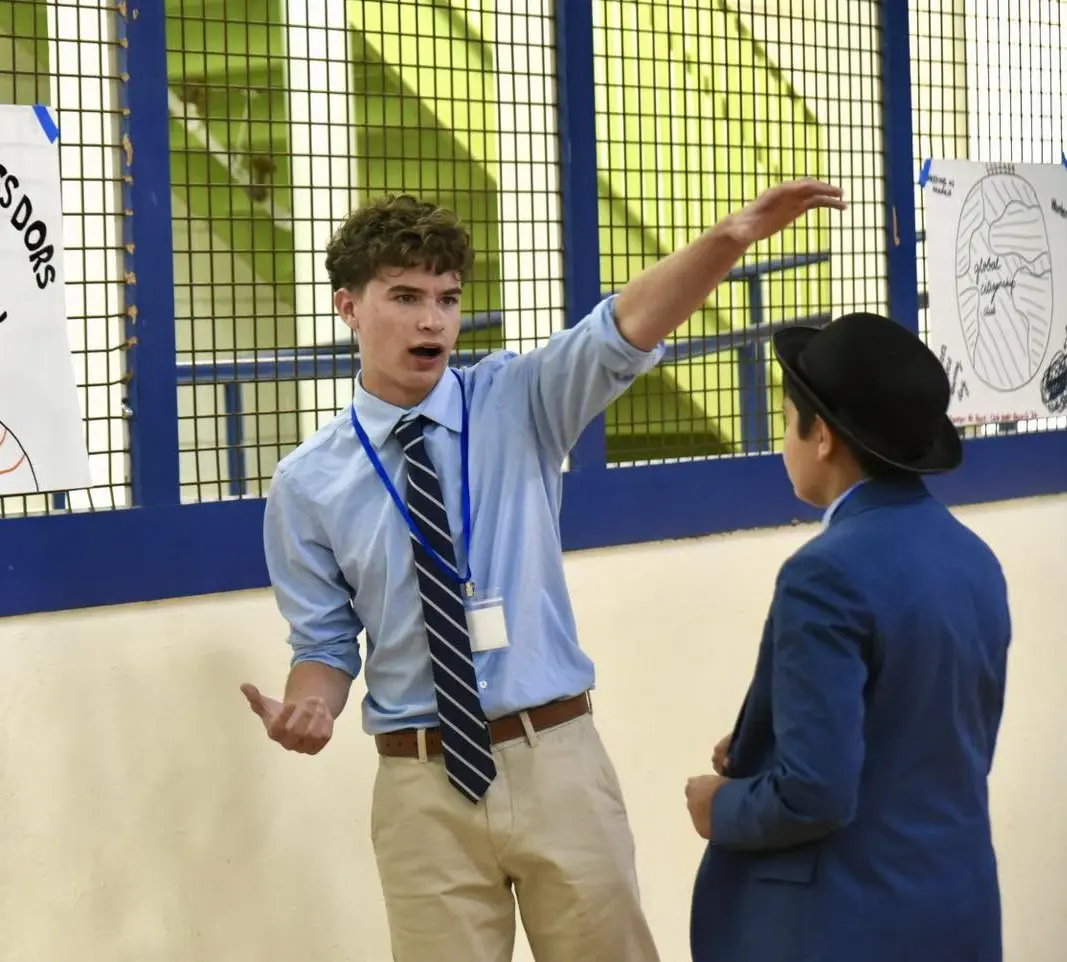
There’s More to High School Than Your Classes
Some things you need for college and adult life aren't learned in calculus or English.
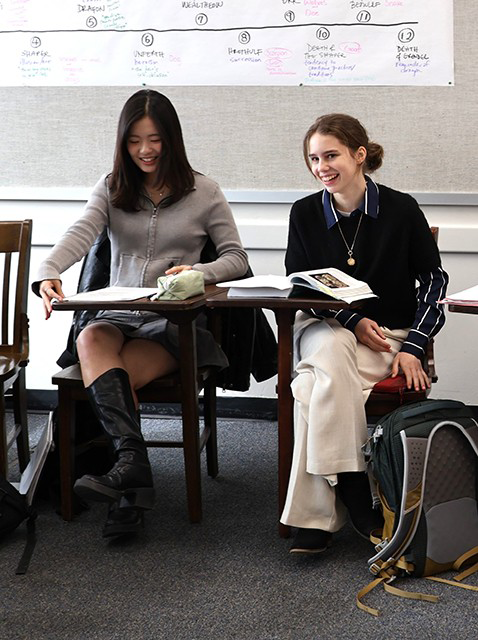
At TJ, time is set aside each week for the things that are easy for schools to say are important but harder to fit into a course schedule. Students talk about mental health, relationships, technology, leadership, health and nutrition, and the practical questions that come with becoming more independent.
College counseling is part of that time, too. It begins well before applications, so students can think about their interests, choices, and plans without trying to figure everything out at once during senior year.
|  |
What Changes Each Year
Building community, adjusting to high school, and beginning to think about how you want to participate in TJ. |
Exploring leadership, understanding your strengths, and beginning to connect your interests with what might come next. |
Service, stewardship, and a more serious college search begin to take shape. |
Applications, practical life skills, and the growing independence that comes with preparing to leave TJ. |
Service With a Purpose
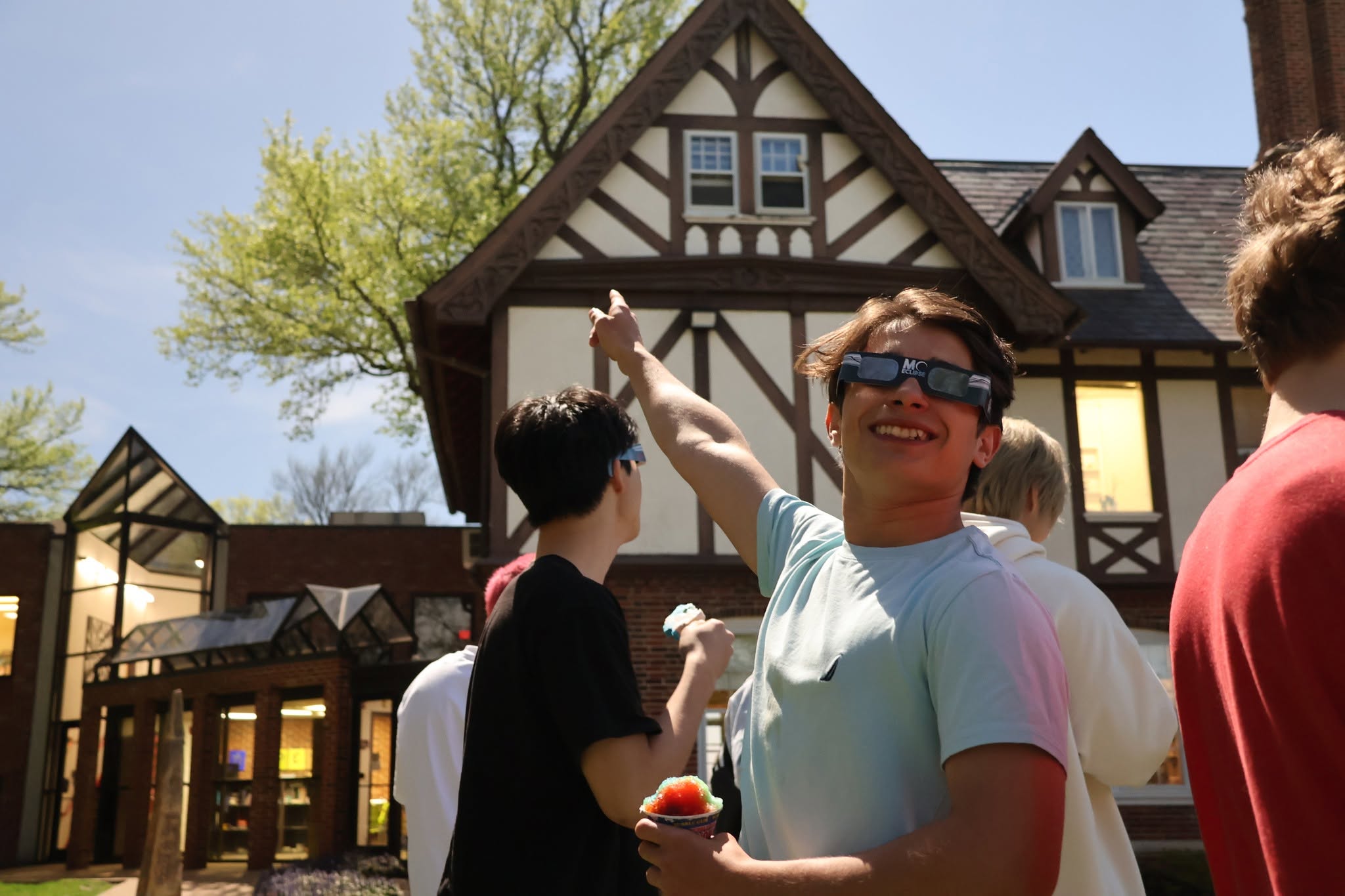
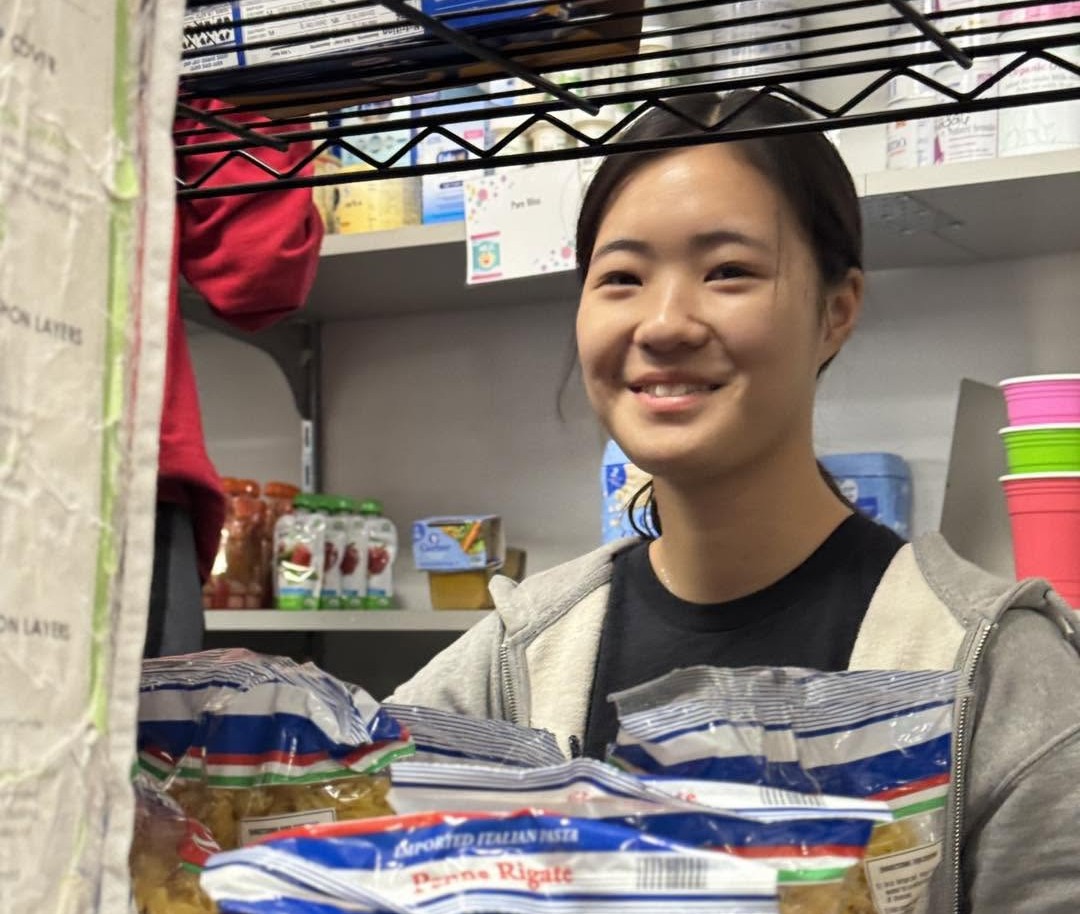 | TJ gives students opportunities to serve together. High school students are also expected to find ways to contribute on their own.
All-School Service Learning Day gets the entire school off campus and working with organizations around St. Louis. Other opportunities come through TJ, through students’ own interests, and through organizations they come to know over time.
Students who enter TJ by ninth grade complete 75 hours of service before senior year, with adjusted requirements for students who enter later. Most of those hours are completed through opportunities students pursue themselves.
Finding the opportunity is part of the work. Students make contact, commit their time, show up, and follow through. By junior year, service and stewardship are also part of the co-curricular program, giving students time to think about what they care about and where they might contribute.
Service can grow directly out of a student’s interests. One student might work with children, another with an environmental organization, and another might find a way to use research, art, technology, or another skill in service of someone else.
|
Your High School Years |
The co-curricular program changes as students do. Each year brings a different emphasis, from finding your place in the high school community to preparing for the independence that comes after TJ.
| Grade 9: Creating Community & Transitioning to High School |
Personal Development
Students learn skills to manage the transition from middle school to high school through community-building activities. Topics include mental health, nutrition, sexuality education, positive use of social media and technology, and how to develop community.
College Counseling
Students are guided by the College Counseling Office to better understand what it means to be a member of the TJ community and to define their impact in the classroom through involvement in TJ’s clubs, activities, and athletics. Students are introduced to Scoir, TJ’s college counseling platform, and reflect on a first career and personality assessment. |
| Grade 10: Developing Leadership |
Personal Development
Tenth graders are challenged to understand themselves as leaders and to prepare for leadership positions at TJ and beyond. Topics include leadership styles, allyship for leaders, diversity, equity, and inclusion, and self-care and mental health.
College Counseling
Students build on their foundations for a successful TJ career, learning how their interests and goals enrich community life as they grow into TJ leaders. They develop an activities list and résumé, review and interpret PSAT results, attend university visits, and complete a careers assessment based on John Holland’s occupational themes. |
| Grade 11: Looking Beyond Self: Service and Stewardship |
Personal Development
Juniors use their leadership skills and interests to complete service projects that benefit the larger community beyond TJ. Students also continue discussions related to diversity, equity, and inclusion; mental health; and environmental stewardship.
The College Seminar
Students break the college-planning process into manageable steps. They develop an activity list, research colleges, explore career interests and college majors, and build a timeline and checklist. The seminar culminates in a presentation to the college counselor in which each student explains how the college list was developed and how it connects to plans beyond TJ. |
| Grade 12: Becoming Independent |
Personal Development
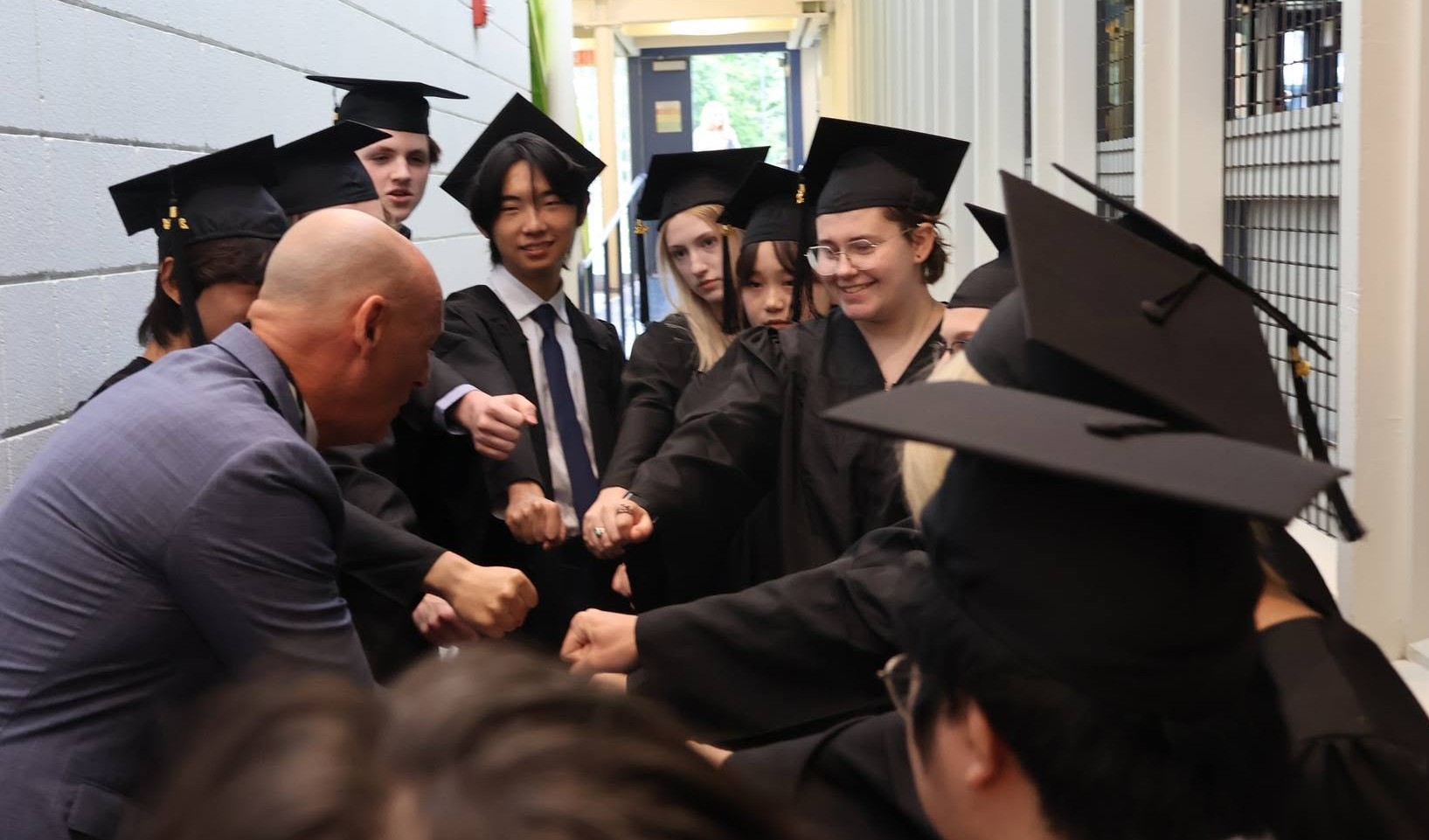
As seniors prepare for life beyond TJ, they develop practical skills such as cooking, managing finances, automobile repair, and basic maintenance. Seniors also learn more about keeping themselves and others safe through conversations about substance-abuse prevention, mental health, and consent. They also begin thinking about the legacy they will leave at TJ and their role as future alumni.
The College Seminar
Students work through each part of the college application process, including application essays, activity lists, Common App support, financial aid and scholarships, and strategies for leaving TJ and making the most of college. |
The advantage of starting early isn't having all the answers sooner. It is reaching junior and senior year with a college counselor who already knows you, and with a much better sense of what you want from the years ahead.
|
Beyond Campus
A TJ education does not stay inside the gates.
High school students regularly leave campus for experiences connected to what they are studying, where they might be headed next, and simply being part of a community together. St. Louis puts universities, museums, performances, research institutions, and major events within easy reach. Some experiences take students much farther.
A week might include visiting Washington University to learn about admission and campus life, while another outing might mean heading to Saint Louis University for a basketball game. Academic work can lead students into museums, laboratories, performances, and university spaces. Longer trips, including experiences in places such as Greece, give students the chance to encounter history, culture, and ideas far beyond St. Louis.
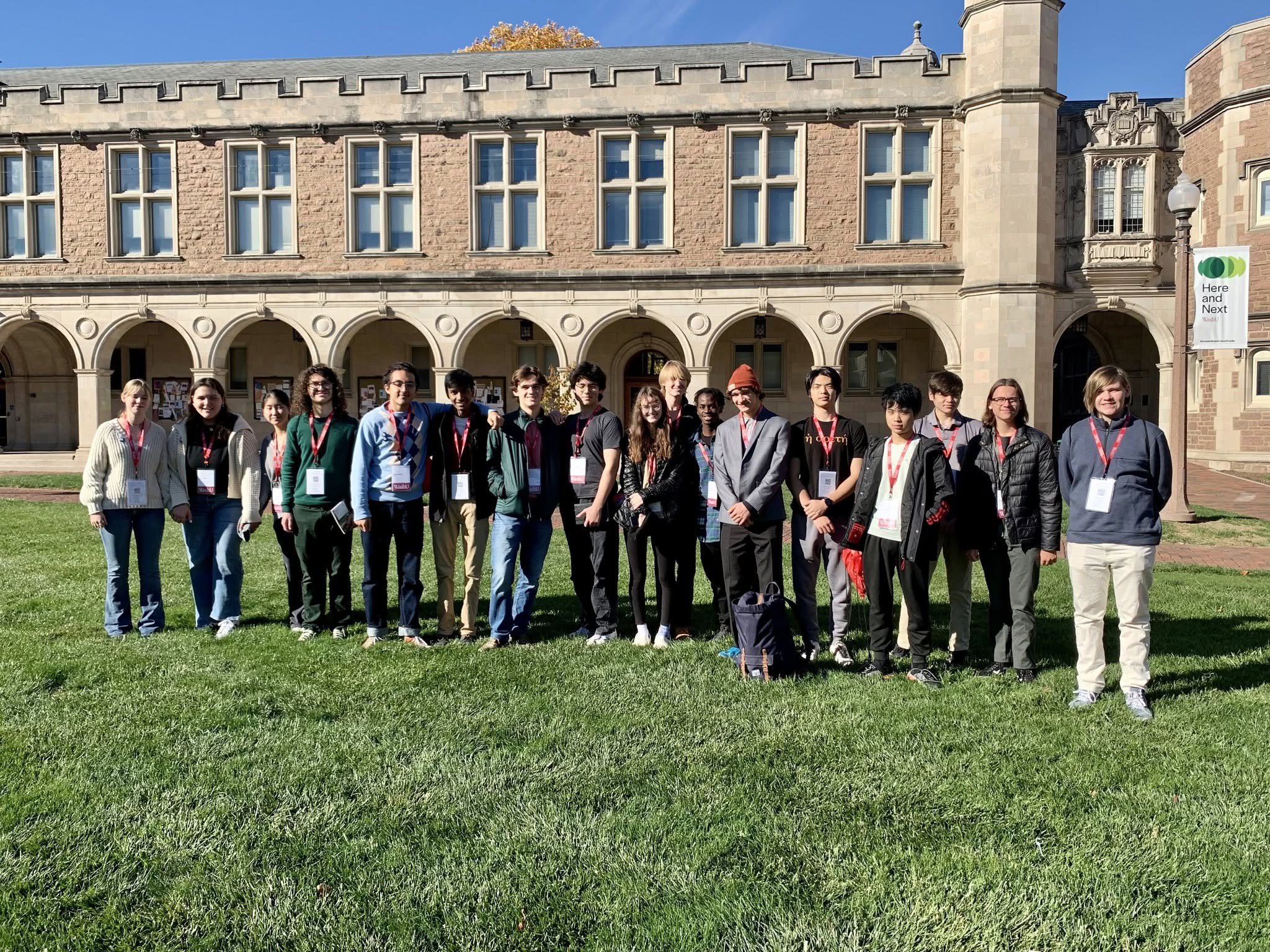 A College Visit at Washington University College campuses become familiar places well before senior year. | 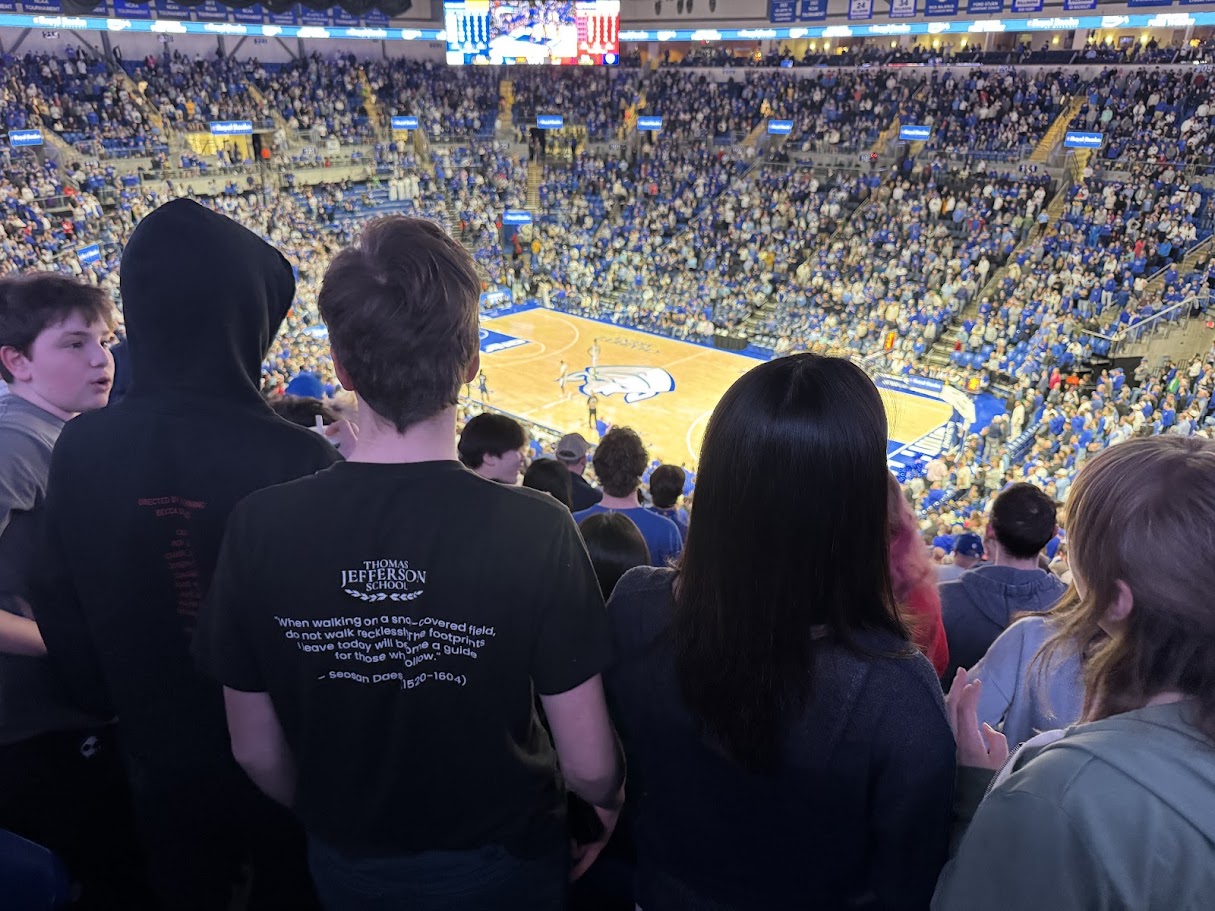 Basketball at Saint Louis University Sometimes getting off campus is simply about having fun together. | 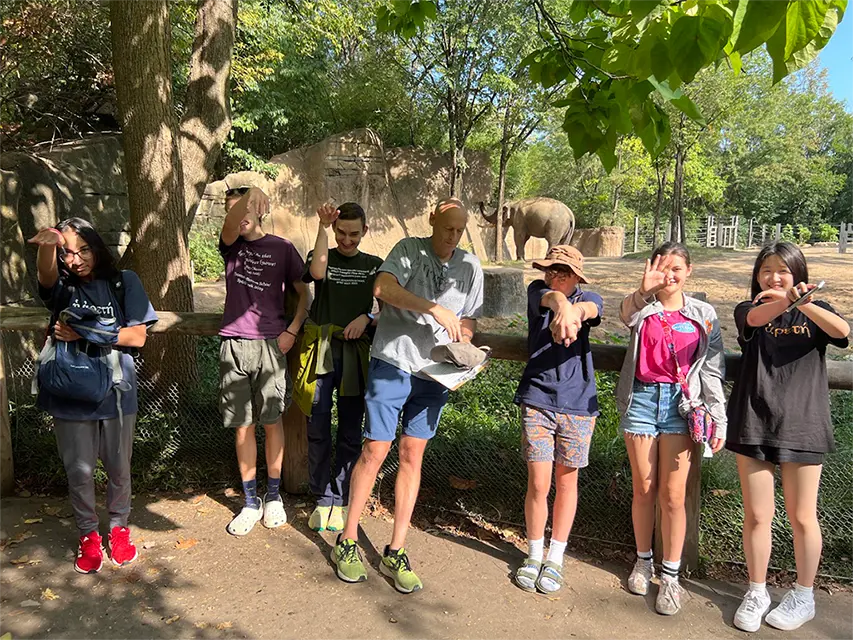 St. Louis as an Extension of Class Museums, universities, performances, and research institutions bring coursework into the world around us. | 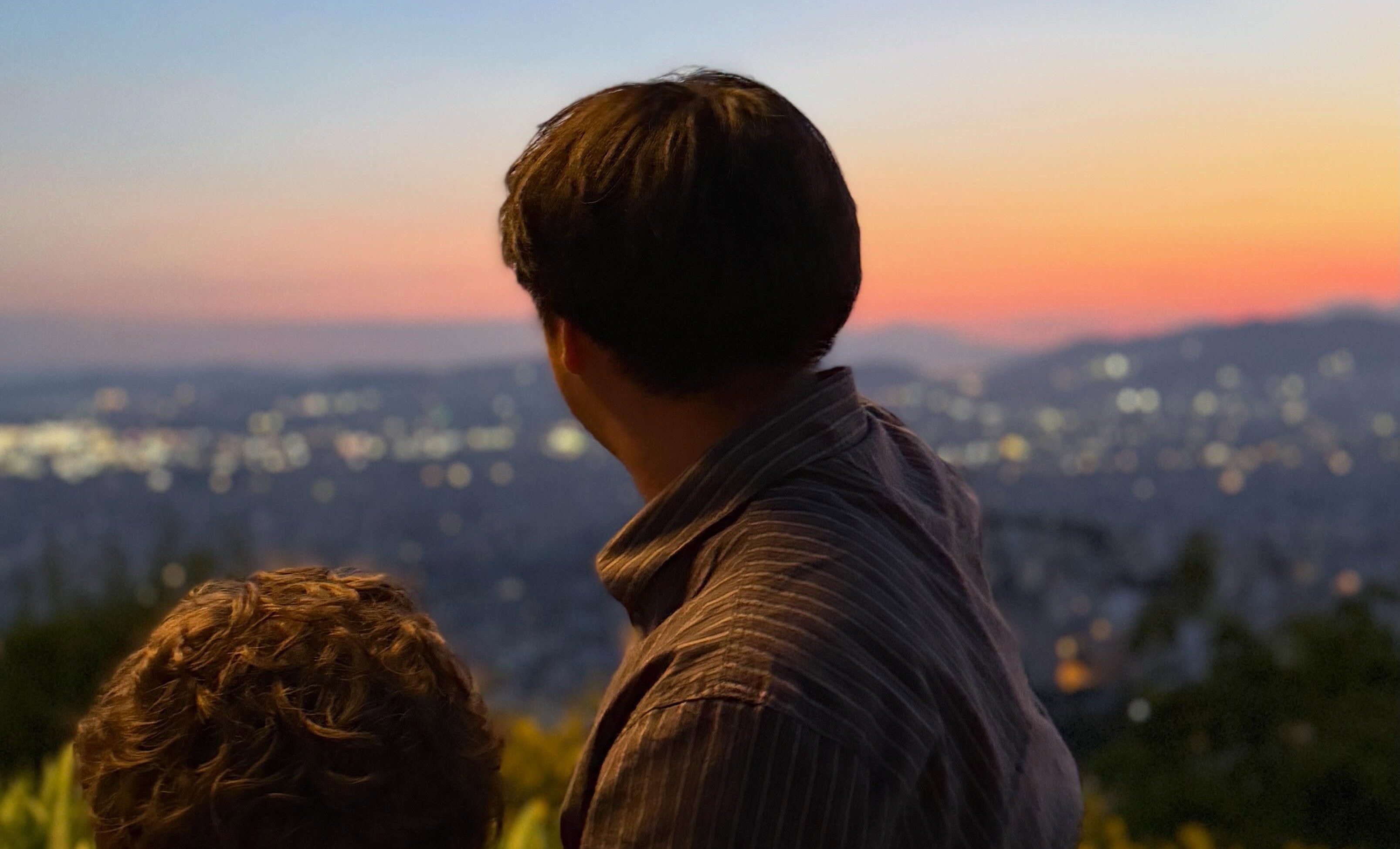 TJ Students in Greece International experiences put history, language, culture, and years of study into a completely different context. |
At a school TJ's size, these experiences are part of the shared story of the school.
A trip might deepen something you have been studying, introduce you to a university you had never considered, or simply give everyone something to talk about on Monday morning. Whether students are crossing St. Louis or crossing an ocean, getting away from campus gives them another way to encounter the people, places, and possibilities beyond TJ. |